Independent agency Motion Sickness made New Zealand ‘the best place in the world to have herpes’, earning 3 Silver Spikes at Spikes Asia 2025 and picking up Lions at Cannes Lions 2025 for their humorous campaign that tackled the stigma surrounding the condition.
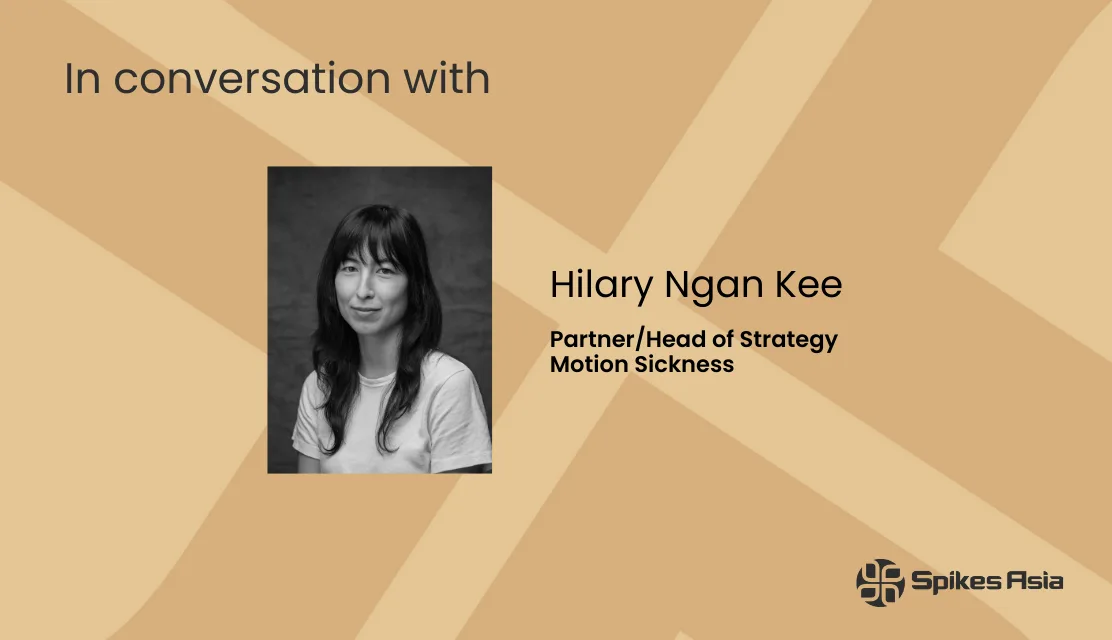
We spoke with Hilary Ngan Kee, Partner/Head of Strategy at Motion Sickness, to find out how the team disarmed stigma with empathetic humour.
1. This campaign took a bold and unconventional approach towards tackling the stigma surrounding herpes. What was the initial spark that led to the idea of positioning New Zealand as The Best Place In The World To Have Herpes?
When we were given the brief, it was introduced to us as ‘the Impossible Brief’. We knew we’d have to try something new to solve it. There were a few key moments that helped shape the direction we took it.
The first, was that stigma thrives in silence. We knew we had to give people a reason to talk about herpes. We also had a very humble budget, so getting other people to spread the word for us was going to be essential. But we had this catch 22, who was going to share a post about herpes? We needed to give people a reason to engage that wasn’t being personally affected by herpes.
Next, was that ‘Herpes’ is a powerful word. We could use that to our advantage. I remember telling the team that if we put the word Herpes unashamedly large on a billboard, everyone would look at it - we just needed to change how people felt and what they thought of when they saw it. So, we decided to weaponise the word for good.
Then, one of our brilliant creatives came back with a mock up of a billboard that just said ‘thebestplaceintheworldtohaveherpes.com’. This was at a time when we were surrounded by plenty of doom and gloom headlines about New Zealand’s future; the economy was in a recession, cost of living was through the roof, we’d just lost the rugby world cup - maybe herpes would give us something to be proud of? It made us all smile, and we knew we had something good. It all really developed from there.
2. This campaign leveraged national pride in a really unique way, transforming a taboo topic into something a nation could rally behind. How did you convince your client that using humour to address awkward issues (both key themes found in this year's Spikes Asia Creativity Report) was the way to go?
The whole brief was about fighting the stigma that surrounds herpes. It’s something we knew people would avoid, feel uncomfortable about, and not want to talk about. Humour is a powerful way to open up conversations that are taboo.
In Aotearoa New Zealand, we have a track record of using humour to discuss difficult topics, particularly in advertising. We’d seen it with famous campaigns here like ‘Ghost chips’ for road safety, and even one of our own pieces of work, keep it real online, for internet safety. When you can laugh at something, it becomes less scary.
When it came to herpes, we observed that the only time the word was ever said publicly was when it was the punchline of a joke. Herpes crops up in pop culture all of the time to get a laugh, but the laugh is usually at the expense of those who have herpes.
It’s easier to swim with the current. If people are primed to laugh at the word herpes, how could we use this to our advantage? If we used humour with empathy and care, we could actually disarm the stigma.
Playing into national pride meant that getting behind the campaign wasn’t personal. Participation didn’t mean you had to disclose you had herpes. You were either with team New Zealand, or you weren’t.
Make New Zealand The Best Place In The World To Have Herpes MOTION SICKNESS, AUCKLAND / THE NEW ZEALAND HERPES FOUNDATION / 2025
3. This campaign won big at both Spikes Asia and Cannes Lions this year. What does it mean to an independent agency to achieve success on a regional and international scale? How did this impact the business, the team and yourself on a personal level?
We’re a tiny agency by global standards, with just 30 people on the team (a handful more people than when we entered the awards). We’re at the bottom of the world, more than 24 hours travel from Cannes. Myself, our ECD Sam, and our GM Alex have owned and run the agency for a decade. Sam founded the agency at university, and we’ve never worked for anyone else.
All of that to say the awards were incredible validation. That we could do world-class work, being exactly who we are.
It’s given us confidence to keep doing what we are doing. As a team we’ve always been driven to push ourselves, to test the boundaries of what is possible, and of what creativity can achieve. These awards are fuel for the fire.
4. Looking back on the success of this campaign, how did it change your own perspective on addressing taboo topics through advertising, and what lessons will you carry forward to future projects challenging stigmas?
I think it’s made concrete my belief that the hardest challenges need the freshest solutions. Creative risk pays off. The work was effective, creating population level shifts in stigma.
Importantly it’s also solidified for me the importance of empathy in what we do. You can’t just view the work through your own eyes, you have to be able to understand how different people will interpret the work. That to me is what allows us to take the risks we do.
5. Having entered the Awards over the last few years, what have you learnt through the entry process? Is there anything you did differently this time?
Awards have always been a challenge for our team. We don’t have a dedicated awards person or team in the agency, and it can feel like there is never a good time to drop tools and get into something like award entries. We’ve learned you need to get organised early, make the time, and lean on the team around you to really craft the entry. It’s worth it.
This time we also took the time to really work through the categories. It can be overwhelming, but it’s valuable to spend the time working through what categories could be a good fit for your work.
Asia is filled with such diverse audiences, and the agencies and the work reflect this. As best we could, we tried to make sure we were giving context to our work in the entry, to give judges the best possible foundations to judge the work from.
6. Any advice for other independent agencies looking to succeed at Spikes Asia?
Be ruthlessly critical about your own work and your own entry. Get an outside view if you can. As an indie, an outside opinion often isn’t easy to find, but it’s incredibly valuable to have.
And, be a fan of other work. Watch the case studies, read award entries if you can, dare I say it, stalk the team who made it on LinkedIn and understand how they did it. Love the work and love the competition - it’ll help you tell your own story.
Don’t miss your chance to benchmark your work against the best of APAC creativity.
Enter by 29 January 2026.